
Tips for Creating a Relaxing Home Office Environment
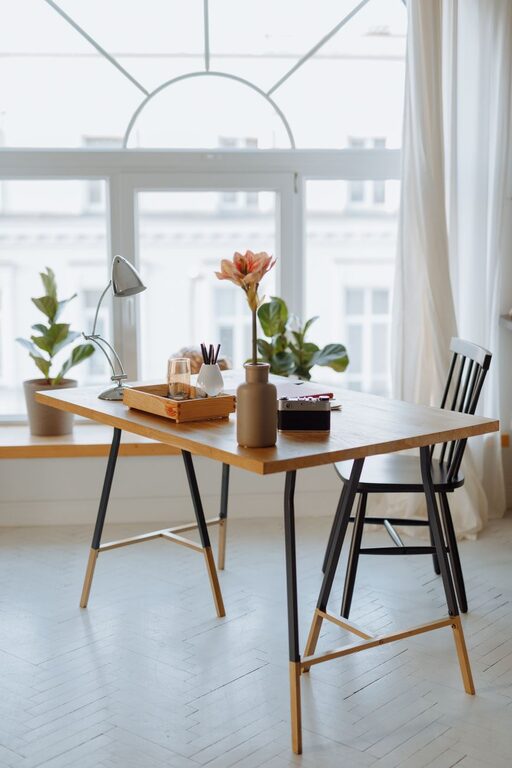
Creating a relaxing home office environment is essential for maintaining focus, reducing stress, and boosting productivity throughout your workday. Whether you work remotely full-time or occasionally take work home, designing a space that feels calm and inviting can make a significant difference in your overall wellbeing and efficiency.
In this post, we’ll explore practical tips to help you create a home office that promotes relaxation and productivity. These strategies cover everything from organizing your space to choosing the right furniture and incorporating soothing elements.
Why a Relaxing Home Office Matters
Your home office isn’t just a place to complete tasks—it’s where you spend a significant chunk of your day. When your workspace feels chaotic or uncomfortable, it can increase stress and decrease focus. On the other hand, a calm and organized office helps reduce distractions and supports mental clarity.
Benefits of a Relaxing Workspace
– Increases focus and concentration
– Reduces stress and anxiety
– Encourages better posture and comfort
– Improves work-life balance
– Enhances creativity and motivation
Now, let’s dive into actionable ways to transform your home office.
1. Choose the Right Location
Finding the ideal spot for your home office is the first step. If possible, select a quiet area away from high-traffic zones to minimize interruptions.
– Natural Light: Position your desk near a window to take advantage of sunlight, which can boost your mood and energy.
– Adequate Space: Ensure there is enough room for your desk, chair, and any equipment you need without feeling cramped.
– Privacy: If privacy is important, consider using room dividers or noise-canceling headphones.
2. Invest in Comfortable and Functional Furniture
Your furniture should support both comfort and good posture.
– Ergonomic Chair: Choose a chair that supports your lower back and allows your feet to rest flat on the floor.
– Adjustable Desk: A desk at the right height helps reduce strain on your neck and wrists. Standing desks or sit-stand converters are great options.
– Organized Storage: Use shelves, drawers, or filing cabinets to keep paperwork and supplies neatly stored and easy to access.
3. Keep It Clutter-Free
A tidy workspace helps reduce distractions and promotes a clear mind.
– Daily Clean-Up: Spend a few minutes at the end of each day tidying your desk.
– Minimal Decor: Limit the number of decorative items to avoid visual clutter.
– Cable Management: Use clips or sleeves to organize cords and keep them out of sight.
4. Incorporate Calming Colors
Colors can influence mood and productivity.
– Soft Neutrals: Shades like beige, soft gray, or light blue create a peaceful atmosphere.
– Accent Colors: Use gentle greens or pastels as accents to add warmth and interest without overwhelming the space.
5. Add Plants and Natural Elements
Bringing nature indoors can improve air quality and reduce stress.
– Low-Maintenance Plants: Succulents, snake plants, or pothos are easy to care for.
– Natural Materials: Incorporate wooden furniture or accessories to add warmth and texture.
6. Control Lighting Thoughtfully
Proper lighting reduces eye strain and creates a comfortable work environment.
– Layered Lighting: Combine ambient light, task lighting, and accent lighting to suit different needs.
– Desk Lamp: Use an adjustable desk lamp with warm light to focus on work without harsh glare.
– Window Treatments: Install blinds or curtains that allow you to adjust natural light throughout the day.
7. Create a Relaxation Corner
Setting aside a small area for breaks encourages mental rest.
– Comfortable Seating: Add a cozy chair or small sofa for short breaks.
– Relaxing Items: Include a book, headphones for music, or stress-relief tools like a small diffuser with essential oils.
– Personal Touch: Decorate with photos or items that make you happy and calm.
8. Minimize Noise and Distractions
Sound control is key for focus and relaxation.
– Noise Reduction: Use rugs, curtains, or foam panels to absorb echoes and outside noise.
– White Noise: Consider a white noise machine or app to mask disruptive sounds.
– Set Boundaries: Communicate your schedule to household members to reduce interruptions.
9. Organize Tech Efficiently
Technology is vital, but it can also be overwhelming.
– Desk Space: Keep only essential devices on your desk.
– Wireless Devices: Choose wireless keyboards or mice to reduce cable clutter.
– Charging Station: Create a dedicated area to charge devices neatly.
10. Personalize Your Space Mindfully
Adding personal touches provides comfort and motivation but keep balance in mind.
– Inspirational Quotes: Frame uplifting messages to boost morale.
– Artwork: Select calming or inspiring artwork that reflects your taste.
– Scent: Light a candle or use an essential oil diffuser with soothing scents like lavender or eucalyptus.
—
Creating a relaxing home office is about combining functionality with comfort. Implementing these tips can help you design a space that supports your best work while reducing stress and promoting wellbeing. Start with small changes and adjust your environment as needed to find what feels most relaxing for you.
Remember, your workspace should be a place where you feel both productive and at ease. Happy decorating!
Related Post
Tips for Creating a Cozy and Inviting Home Workspace
Discover simple ways to design a cozy, inviting home workspace that boosts comfort and productivity. [...]

How to Create a Cozy Reading Nook in Your Home
Transform a small corner of your home into a cozy reading nook with simple steps [...]

Tips for Creating a Relaxing Home Office Environment
Create a calm and productive home office with simple tips that improve comfort, organization, and [...]